What Is Qurbani? Meaning, Rules and How It Works
Qurbani (also called Udhiyah) is the sacrifice of a livestock animal during the days of Eid al-Adha, in remembrance of the willingness of Prophet Ibrahim (peace be upon him) to sacrifice his son for the sake of Allah. Here is what every Muslim should know about Qurbani.
What Does Qurbani Mean?
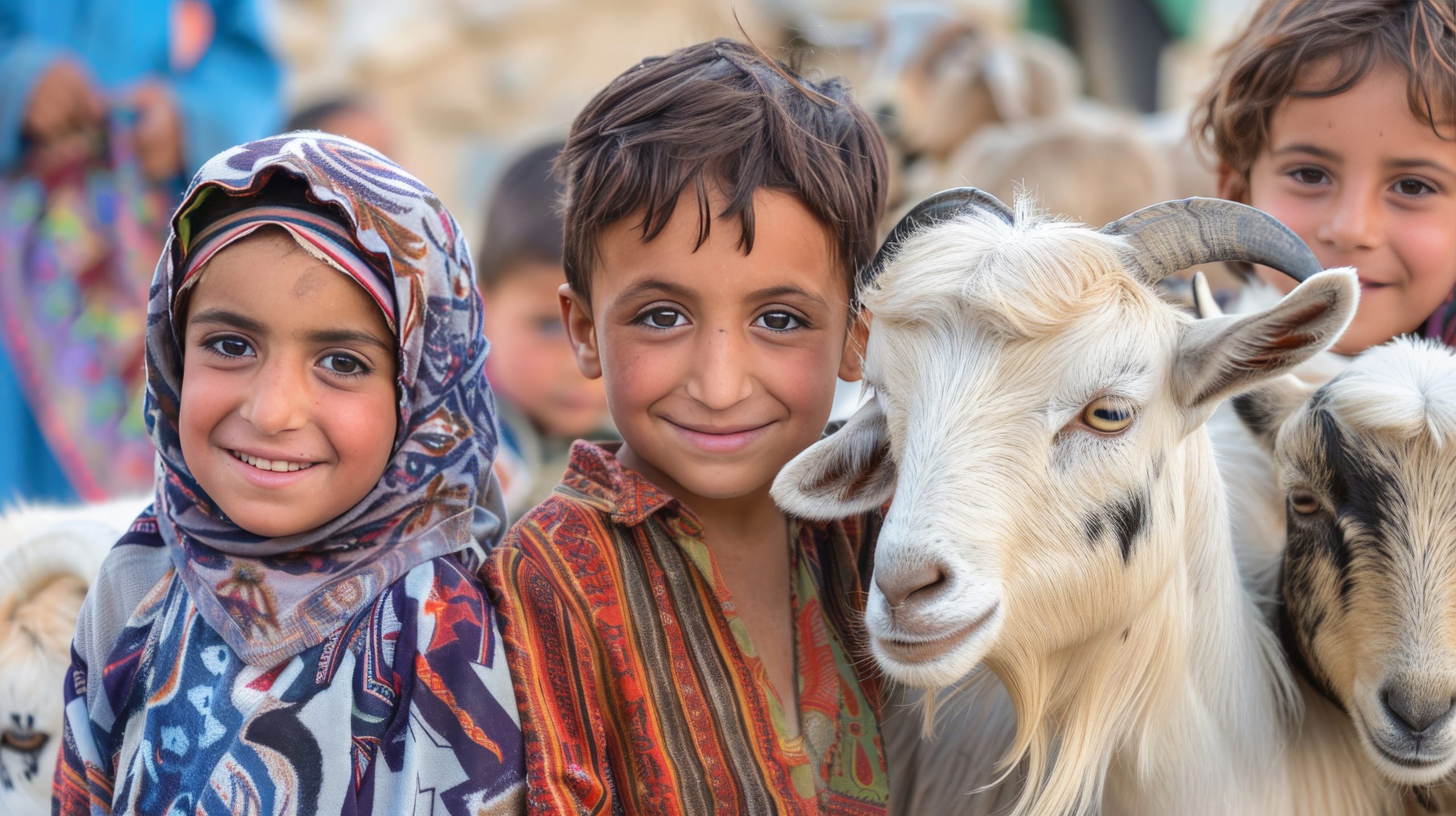
Qurbani is the act of sacrificing an animal — typically a sheep, goat, cow, or camel — during Eid al-Adha. The meat is then distributed to the poor and needy, family, and oneself. It is a powerful act of worship, gratitude, and feeding those in need.
When Is Qurbani Performed?
Qurbani takes place during the days of Eid al-Adha — the 10th, 11th, 12th, and 13th of Dhul Hijjah, the final month of the Islamic calendar. The exact dates in the Gregorian calendar shift each year and depend on the sighting of the moon.
Who Should Perform Qurbani?
Qurbani is obligatory or strongly recommended (scholars differ) for every adult Muslim of sound mind who possesses wealth above the nisab threshold during the days of Eid. Many households perform one Qurbani per eligible adult.
How Is the Meat Distributed?
It is traditional to divide the Qurbani meat into three portions: one for your own household, one for friends and relatives, and one for the poor and needy. When you give Qurbani through a charity, your share for the needy is delivered to vulnerable families who may otherwise rarely eat meat.
Give Your Qurbani Through Hayat Charity
Hayat Charity (Reg. No. 1212073) performs your Qurbani on your behalf and distributes fresh meat to families in need, in full accordance with Islamic requirements.
Rulings on Qurbani can vary between scholars and schools of thought. If you are unsure of your obligation, consult a qualified scholar.