
Where We Work
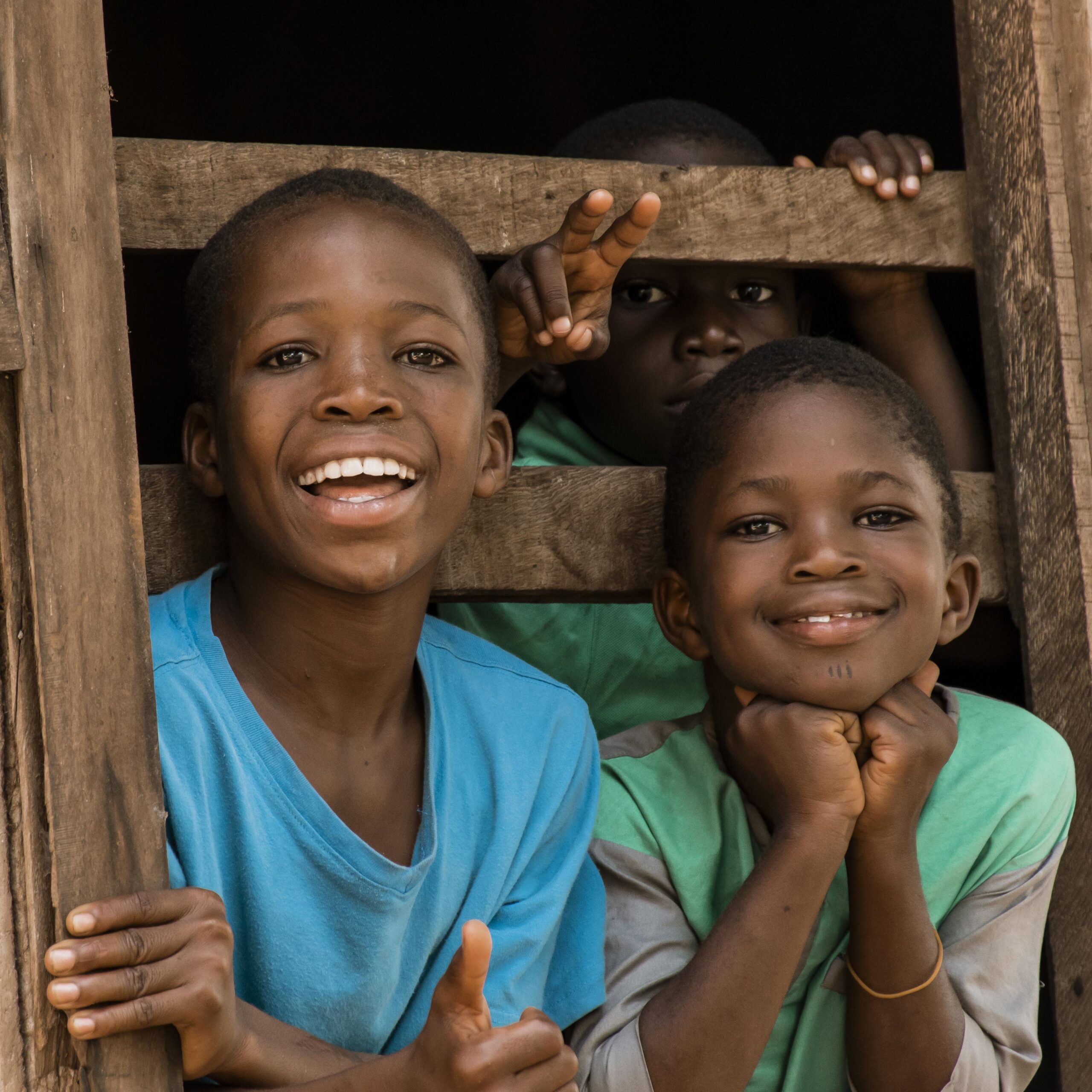
Hayat Charity works across some of the world’s most vulnerable and underserved regions. Our mission to relieve poverty, support education, improve healthcare, and respond to emergencies extends far beyond borders. Through trusted local partners and community-led initiatives, we deliver life-changing support where it is needed most.
We currently operate in the following countries:
🇹🇩 Chad
Chad experiences chronic food insecurity and poverty. Hayat Charity provides emergency food aid, healthcare support, and sustainable livelihood projects to strengthen community resilience.
🇦🇱 Albania
Albania struggles with unemployment and regional inequality. We invest in skills development, youth empowerment, and community strengthening projects.
🇮🇩 Indonesia
With high vulnerability to natural disasters, Indonesia requires strong humanitarian support. We provide emergency relief, health programmes, and disaster preparedness initiatives.
🇧🇦 Bosnia & Herzegovina
Political and economic instability has left many communities vulnerable. Our work focuses on youth education, community development, and social cohesion.
🇹🇷 Turkey
Supporting communities affected by economic hardship, displacement, and the devastating 2023 earthquake. Our work includes emergency relief, healthcare support, education, and long-term rehabilitation.
🇧🇩 Bangladesh
Frequent flooding, poverty, and malnutrition affect millions. We provide disaster relief, clean water solutions, education support, and healthcare assistance, especially in remote and high-risk areas.
🇽🇰 Kosovo
Rural communities face limited access to both education and healthcare. Our programmes support vocational training, youth development, and outreach healthcare.
🇮🇳 India
India contains vast pockets of extreme poverty, especially in rural regions. We focus on education access, women’s empowerment, healthcare support, and community development programmes.
How We Choose Where We Work
Every region is selected through a careful, research-based process that evaluates:
The level of poverty and humanitarian need
The lack of government or NGO support
The potential for sustainable, long-term impact
Local partner capacity and community engagement
Trustees’ first-hand knowledge and onsite assessments